
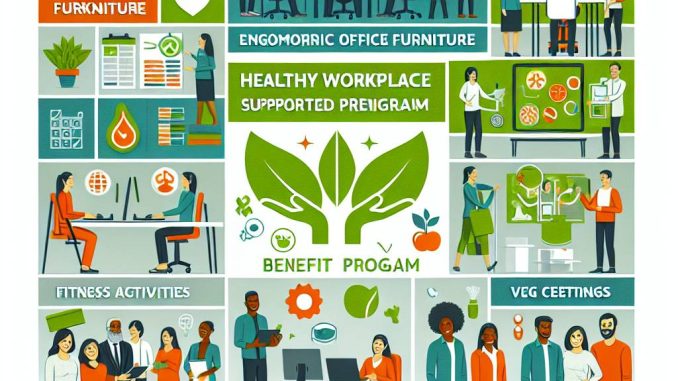
Explore how Allied Benefit Programs enhance employee wellness, promote work-life balance, foster health and safety, and measure their impact on workplace culture. In today’s fast-paced work environment, fostering a healthy workplace is more important than ever.
Allied Benefit stands at the forefront of this initiative, offering comprehensive programs designed to support employee well-being and productivity. This blog post will delve into the various ways Allied Benefit enhances workplace health through tailored wellness initiatives, emphasizes the significance of work-life balance and mental health, and promotes a culture focused on safety and well-being.
We will also explore effective strategies for implementing these programs and highlight how measuring their impact can lead to continuous improvement. Join us as we uncover the essential role Allied Benefit plays in creating healthier and happier workplaces for everyone.
Understanding Allied Benefit Programs
One of the key elements in fostering a harmonious and productive workplace is understanding the various components of Allied Benefit Programs, which are designed to not only assist employees with their immediate health needs but also to promote a comprehensive approach to well-being that encompasses both physical and mental health aspects.
These programs often include a variety of offerings such as health insurance, wellness initiatives, and preventive care services, which are all tailored to meet the specific needs of employees while also ensuring that employers can maintain a healthy workforce that is both engaged and motivated, ultimately leading to higher levels of productivity and job satisfaction.
Furthermore, a thorough grasp of the advantages provided by Allied Benefit Programs empowers both employees and employers to navigate the myriad options available, ensuring that everyone can make informed decisions that will benefit their personal and professional lives in meaningful ways.
Implementing Wellness Initiatives for Employees Allied Benefit
In today’s fast-paced work environments, implementing wellness initiatives for employees has become a fundamental component of organizational success, as these initiatives not only contribute to the overall health and well-being of staff but also foster greater productivity and job satisfaction among the workforce.
To create an effective wellness program, organizations should start by conducting a thorough assessment of employee needs and preferences, which involves gathering feedback through surveys and focus groups, thus enabling employers to tailor their wellness initiatives to ensure they resonate with employees and address issues such as mental health, physical fitness, and work-life balance.

Moreover, it is crucial for companies to continuously evaluate and adapt their wellness initiatives by tracking participation rates and measuring the impact on employee health and productivity, ensuring that these programs not only meet cur
Promoting Work-Life Balance and Mental Health Allied Benefit
In today’s fast-paced and increasingly demanding work environment, the significance of promoting work-life balance and prioritizing mental health cannot be overstated, as these elements are essential not only for individual happiness but also for fostering a productive workplace culture where employees feel valued, supported, and understood.
Organizations that actively integrate policies aimed at enhancing work-life balance often see increased employee engagement, reduced burnout, and a noticeable improvement in overall mental well-being, which can subsequently lead to enhanced productivity and lower turnover rates as staff members are more likely to feel motivated and committed to their roles when they have the opportunity to maintain a healthy balance between their professional and personal lives.
Furthermore, implementing flexible work schedules, offering mental health days, and creating programs that encourage rest and relaxation can significantly contribute to a culture that not only acknowledges but also actively promotes mental health resources, thereby ensuring that employees are equipped to thrive both at work and in their personal lives, ultimately leading to a happier and healthier workforce.
Creating a Culture of Health and Safety Allied Benefit
In today’s fast-paced and demanding work environments, fostering a strong culture of health and safety is absolutely crucial, not only for enhancing employee well-being but also for promoting productivity and ensuring a sustainable organizational framework, as healthy workplaces have been found to significantly improve morale and commitment among staff members.

To effectively cultivate this culture of health and safety, companies must prioritize comprehensive training programs that equip employees with the necessary skills and knowledge to recognize hazards, respond to emergencies, and understand the importance of maintaining a safe working environment, while simultaneously encouraging open communication where workers feel empowered to voice their concerns without fear of retribution.
Furthermore, integrating regular assessments and feedback mechanisms into the workflow can help identify potential risks and areas for improvement, thereby enabling organizations to adapt and implement proactive measures that not only comply with legal requirements but also reflect their commitment to the health and safety of their employees, ultimately resulting in a stronger, safer, and more resilient workplace culture.
Measuring the Impact of Allied Benefit Programs
The process of measuring the impact of Allied Benefit Programs is an essential undertaking for organizations that seek to understand the value of their employee benefits and well-being initiatives, as it provides crucial insights that can guide improvements and ensure that employees are receiving the full spectrum of support they require; thus, it is imperative to analyze various metrics, including employee engagement levels, utilization rates of offered services, and overall employee satisfaction, which can serve as key indicators of how effectively these programs are fulfilling their intended goals.
In addition to quantitative data, qualitative feedback from employees can play a significant role in assessing the true impact of these programs, as personal testimonials and direct input can highlight the ways in which these benefits have positively affected their mental health, productivity, and overall quality of life, thereby offering a more comprehensive view of the value these programs provide. Moreover, organizations must take into account the changing needs of their workforce, adapting their Allied Benefit Programs to better serve employees as they navigate different life stages and challenges, ultimately ensuring that support remains relevant and effective over time.

Furthermore, by establishing clear benchmarks and regular evaluation periods, organizations can not only track the success of their Allied Benefit Programs but also make informed decisions about future investments in wellness initiatives and benefits packages, which ultimately fosters a healthier work environment and supports a culture of well-being; thus, effective measurement allows for a continuous loop of improvement, ensuring that employees receive t
Frequently Asked Questions
What services does Allied Benefit provide to promote healthy workplaces?
Allied Benefit offers a range of services including health insurance plans, wellness programs, and employee assistance services designed to foster a healthier work environment.
How does Allied Benefit ensure employee well-being?
Allied Benefit ensures employee well-being by implementing wellness initiatives, providing mental health resources, and conducting regular health screenings for employees.
What role do wellness programs play in workplace health?
Wellness programs offered by Allied Benefit play a crucial role in encouraging employees to adopt healthier lifestyles, which can lead to improved productivity and reduced healthcare costs.
Are there any specific programs for mental health support?
Yes, Allied Benefit offers mental health support programs, including counseling services and stress management workshops, to help employees cope with mental health challenges.
How can employers benefit from partnering with Allied Benefit?
Employers can benefit from partnering with Allied Benefit by reducing absenteeism, increasing employee satisfaction, and potentially lowering health care costs through comprehensive health management solutions.
Does Allied Benefit provide any resources for chronic disease management?
Yes, Allied Benefit provides resources for chronic disease management, including educational materials and personalized care plans to help employees manage their health conditions effectively.
What impact does a healthy workplace have on employee productivity?
A healthy workplace directly impacts employee productivity by fostering a positive work environment, reducing sick days, and enhancing overall morale, leading to better performance and engagement.
Leave a Reply